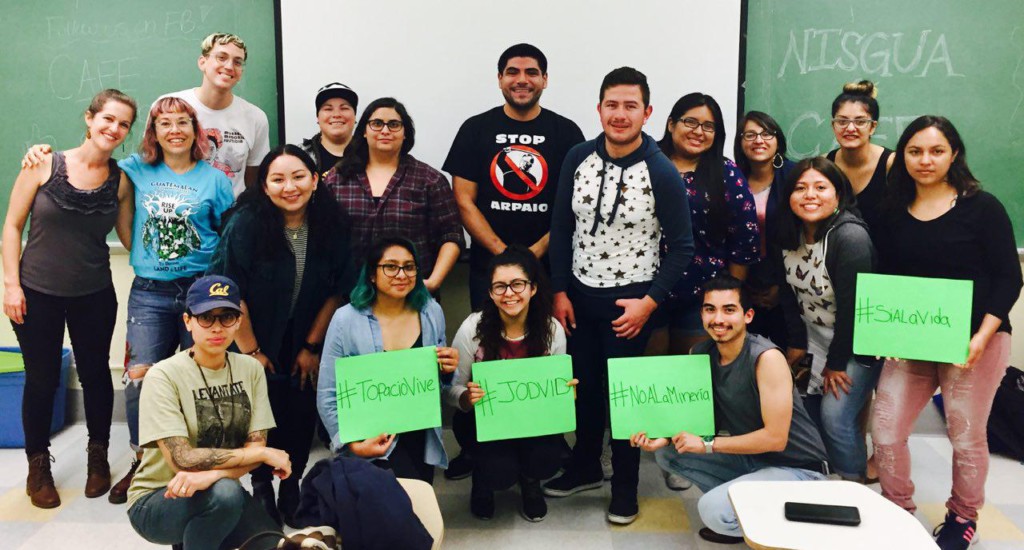
The U.S. has a long history of intervention in Guatemala, which includes a coup, support of military dictatorships, massacres, and violent resource extraction. We partner with Guatemalans who defend their land and fight for justice for crimes against humanity. By sharing their stories with U.S. audiences, they increase awareness and inspire grassroots action, illuminating the many ways in which our two countries and the world are connected through histories of resistance.
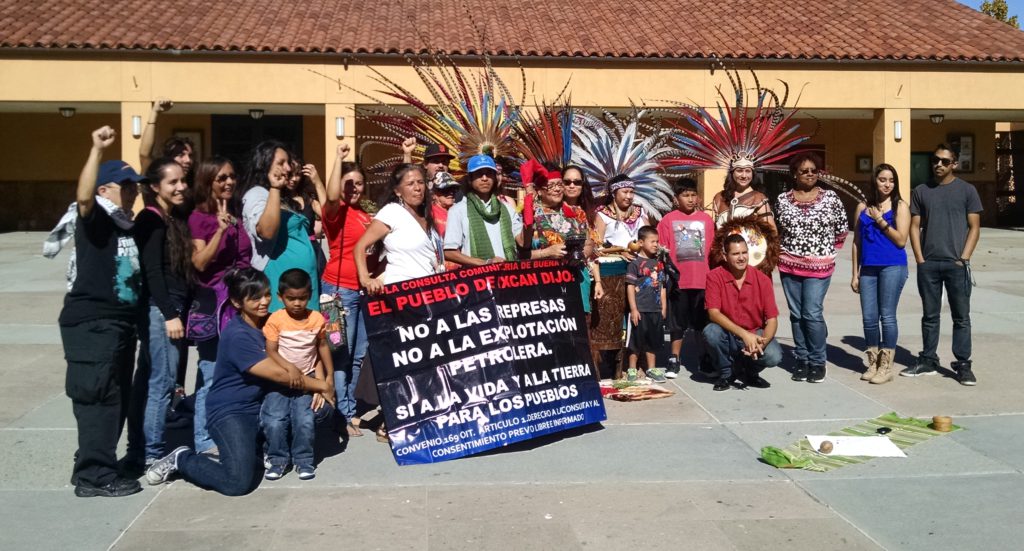
By prioritizing engagement with communities who are similarly impacted by and struggling to transform structures of oppression, we help create opportunities for frontline activists to share strategies of resistance and resilience. Our U.S. programs work has connected Indigenous communities in resistance against mega-projects, feminist organizations working to end gender-based violence, and youth using art and activism to promote social and environmental justice, among others.
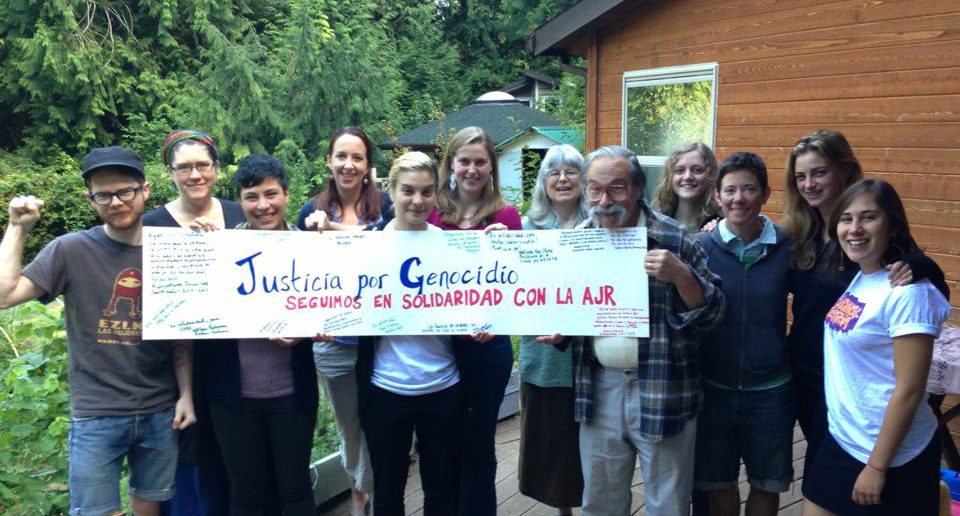
We increase the impact and reach of our work by organizing people to form part of a rapid response network, ready to respond to requests for action when they arise, connect our partners’ struggles with local organizing, and strengthen networks through in-person gatherings and grassroots fundraising.
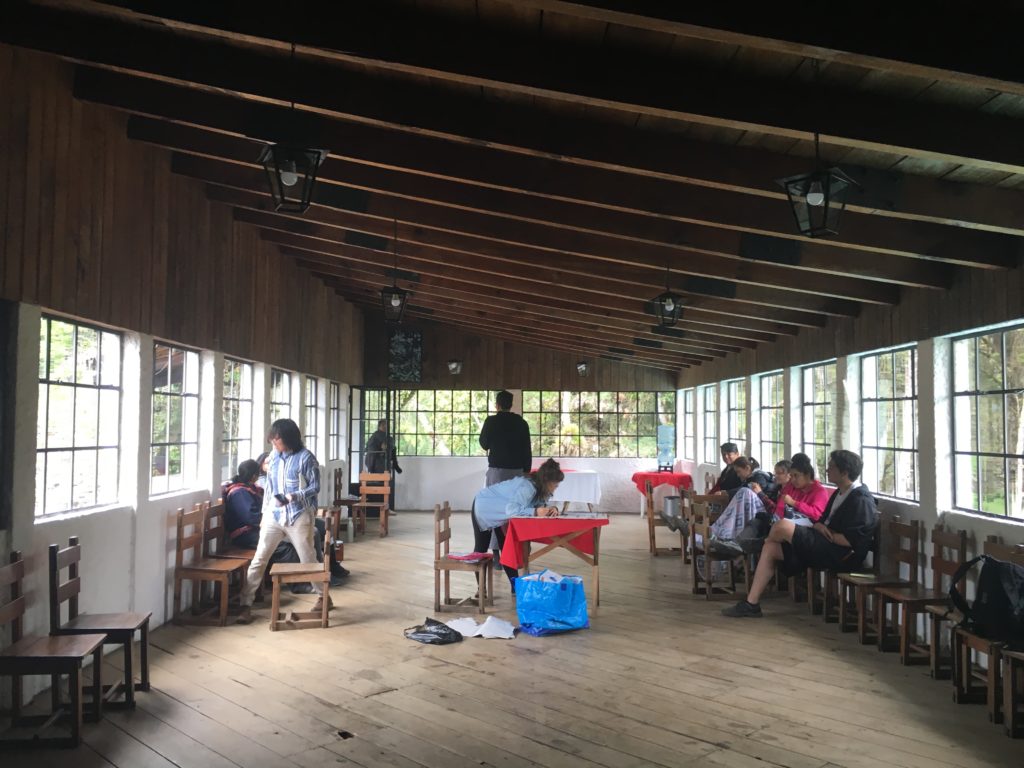
Our 2019 delegation of Indigenous students from New Mexico State University (NMSU) gathers in the cloud forest to reflect and plan solidarity actions moving forward.
NISGUA Statements
Racial justice is essential to solidarity work and we must work towards liberation in our solidarity movements.
Read our full statement on racial justice.
Trump’s election and our commitment to internationalism: Solidarity with Guatemalan social movements is an essential component of our social justice strategy here in the U.S.
Read our full statement on Trump’s election.
NISGUA stands in solidarity with all struggles defending the life, dignity, and safety of Black people worldwide.
Latest in Trans-Territorial Organizing
NISGUA 2010 Tour, Tucson
TUCSON, ARIZONA, FEBRUARY/FEBRERO 14-15Meeting with Tierra y Libertad Organización youth [...]
NISGUA 2010 Tour, Los Angeles
LOS ANGELES, CALIFORNIA, FEBRUARY/FEBRERO 16-19CARECEN Labor Center"If there is mining [...]
NISGUA 2010 Tour, Bay Area, California
SACRAMENTO/SAN FRANCISCO/OAKLAND, CALIFORNIAFEBRUARY/FEBRERO 20-26Sacramento PresentationPresentación SacramentoPresentation with POWER (People Organizing [...]
NISGUA 2010 Tour, Portland, Oregon
PORTLAND/EUGENE, OREGON FEBRUARY/FEBRERO 26-28Portland Central America Solidarity Committee/PCASC eventat Musician's [...]
NISGUA 2010 Tour, Seattle, Washington
SEATTLE, WASHINGTON, MARCH/MARZO 1-5Having some tourist fun with one of [...]
Leaving Tucson, flying to L.A.
Great few days in Tucson, where we had the opportunity [...]
The U.S. has a long history of intervention in Guatemala, not the least of which includes the 1954 overthrow of democratically-elected president Jacobo Arbenz Guzmán. This U.S. intervention initiated an era of military dictatorships that included U.S.-backed regimes who carried out genocide and crimes against humanity, and whose legacy continues to this day. As U.S. mining companies fight to take lands away from communities, creative resistance continues on many fronts. We partner with Guatemalan organizations who are standing up against impunity, peacefully defending their lands against mega-development projects, or fighting for justice for genocide and crimes against humanity. By sharing their stories with U.S. audiences, they increase awareness and inspire grassroots action, illuminating the many ways in which our two countries are connected through histories of resistance.
By prioritizing engagement with communities who are similarly impacted by and struggling to transform structures of oppression, we help create opportunities for frontline activists to share strategies of resistance and resilience. Our U.S. programs work has connected indigenous communities in organized resistance to mining, feminist organizations working to end gender-based violence, and youth using art and activism to promote social and environmental justice, among others.
U.S. programs increases the impact and reach of our work by organizing people to form part of a rapid response network, ready to respond to requests for action when they arise, connect our partners’ struggles with local organizing, and strengthen networks through in-person gatherings and grassroots fundraising.
Latest Actions
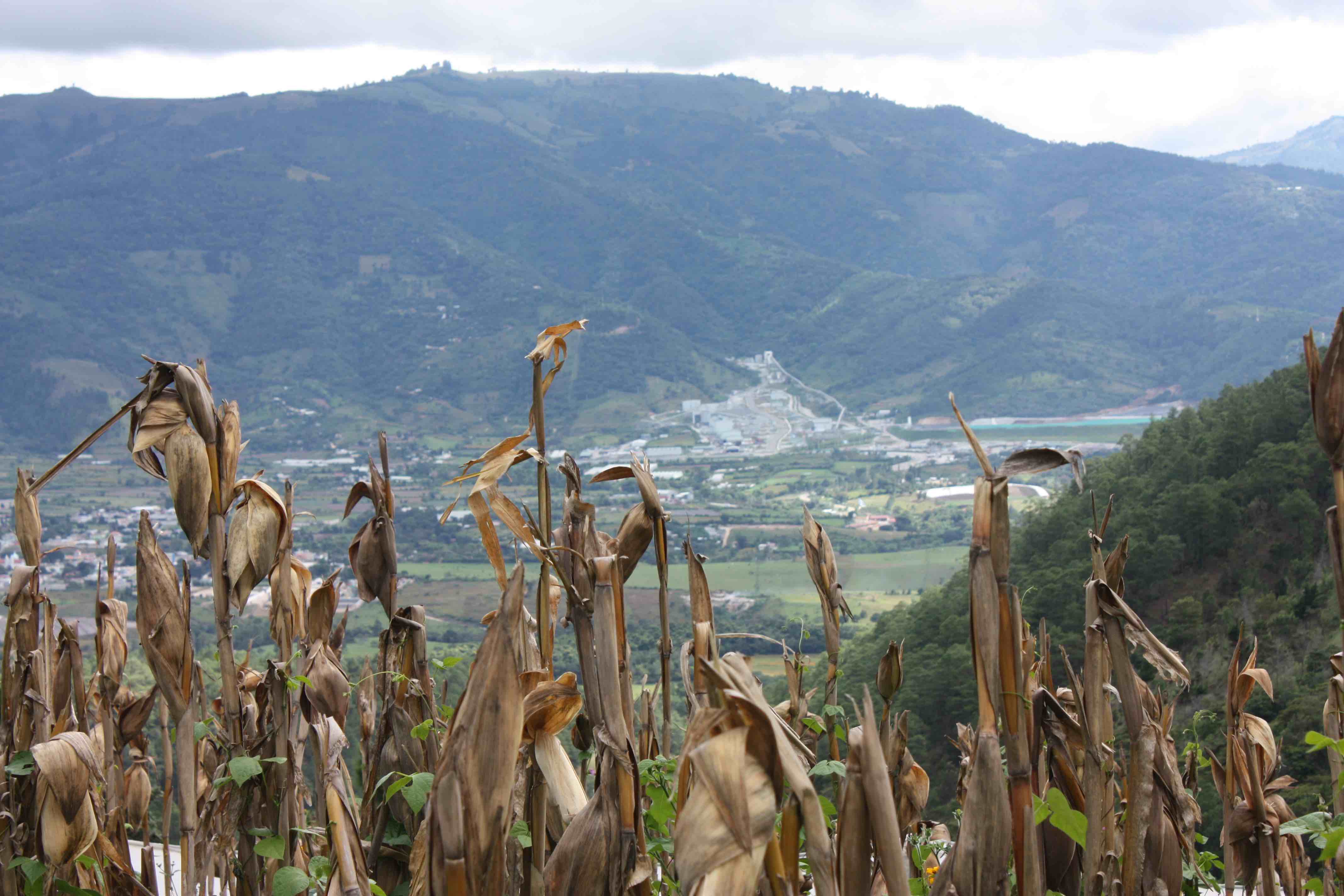
Despite clear and constant community opposition to Tahoe’s Escobal mine in southeastern Guatemala, Senator Heller continues to bak the company. Give him the facts he needs!
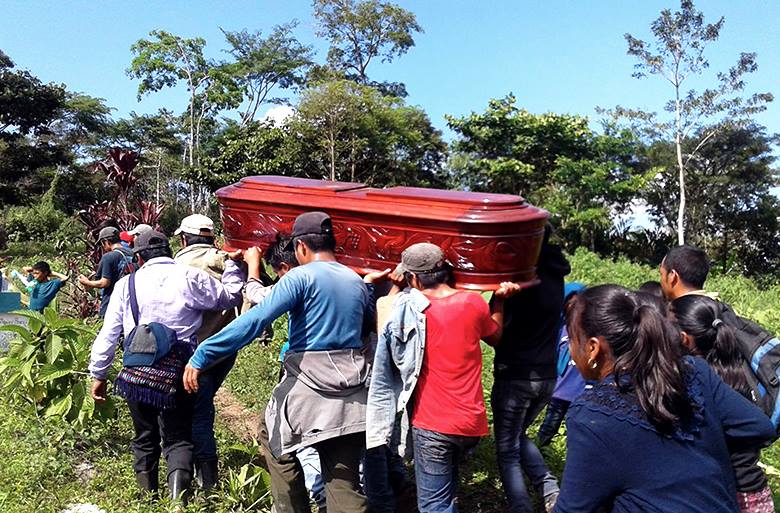
Guatemalan human rights and land defender, Sebastián Alonso Juan, was murdered on January 17, 2017 during a peaceful protest against the imposition of a mega-hydroelectric dam project. Photo: Francisco Simón / Prensa Comunitaria
NISGUA Statements
Racial justice is essential to solidarity work and we must work towards liberation in our solidarity movements.
Read the full statement on racial justice.
Trump’s election and our commitment to internationalism: Solidarity with Guatemalan social movements is an essential component of our social justice strategy here in the U.S.